

Flowers, teacups, fruit, fabric, and other everyday objects might seem quite simple, but they can teach students far more than many people expect.
At The Seasons Art Class, we regularly use real props during lessons because working from life helps students develop observation skills in a much more natural and engaging way than relying entirely on printed images.
Keep reading to discover why working from real objects plays such an important role in helping students grow in confidence and develop stronger artistic skills.
Why Real Objects Teach You More Than Photographs
Prints have their place, especially when you can’t bring a horse or a castle into the art class, but when you’re working from a printed image, it simply doesn’t provide the same level of detail, depth, or excitement as drawing from real life.
Instead of copying lines from a photograph, you begin carefully observing what’s actually in front of you. You notice subtle curves, textures, reflections, and gentle changes in tone that might never stand out in a printed image.
Over time, you stop worrying so much about “getting it right” and start understanding what you’re really looking at instead. That shift can make a huge difference to your confidence as an artist.
Understanding Shape and Perspective Naturally
One of the most useful things about working from life is how naturally it helps you understand shape and perspective.
Seeing Things From Your Own Position
Take a teacup, for example. Depending on where you’re sitting, the ellipse at the top changes shape completely. Someone across the table may see something slightly different from you.
That’s what makes drawing from life so valuable. You begin learning that there isn’t always one fixed shape to copy. What matters is observing carefully and responding to what you personally see in front of you.
As your confidence grows, drawing three-dimensional objects starts to feel much more natural and far less intimidating.
Learning to Notice Light and Shadow
Real objects also respond to light in a way photographs often can’t fully capture.
As you work, you begin noticing highlights brighten, shadows soften, and reflected light appear in subtle places you may never have noticed before.
Rather than relying on a flat image where everything has already been simplified, you begin making your own decisions about tone, contrast, and depth.
That process helps strengthen your observational skills while also making drawing and painting feel much more immersive and rewarding.
Why Negative Space Is So Helpful
Another important skill that becomes easier to understand when working from life is negative space.
Looking Beyond the Object Itself
Instead of focusing only on the object, you begin noticing the shapes around it too.
For example, when drawing a vase, you may start paying attention to the spaces between handles, the gaps between objects, or the shapes created around the outside edges.
It’s surprisingly helpful because it encourages you to observe the whole scene rather than becoming overly focused on tiny details too early on. Very often, this leads to stronger proportions and more balanced drawings without you even realising it.
Using Props for Warm-Up Exercises
Props are also brilliant for helping you settle into drawing at the beginning of a lesson.
Building Observation Step by Step
You might begin by focusing only on outline and proportion, carefully studying the overall shape of an object and the negative spaces around it.
After that, you may move into tonal studies, ignoring outlines altogether and concentrating purely on areas of light and shadow.
Eventually, these approaches come together as you combine both line and tone into a more complete study.
The important thing is that these exercises are not about creating a perfect finished piece. They’re there to help strengthen your observation, improve coordination between your eye and hand, and help you feel more confident responding to what you see.
Preparing You to Draw Beyond the Classroom
One of the biggest benefits of working from life is that it helps you become less dependent on step-by-step copying.
As your skills develop, you begin learning how to simplify what you see, pick out important details, and make visual decisions independently. These are the kinds of skills that help you sketch outdoors, paint real environments, or create your own compositions with much more confidence.
After all, real life rarely presents itself as a perfectly arranged photograph. Learning how to observe and interpret what’s around you is a really important part of artistic growth.
The Beauty of Simple Objects
Interestingly, props don’t need to be elaborate or expensive to be effective.
Why Everyday Objects Work So Well
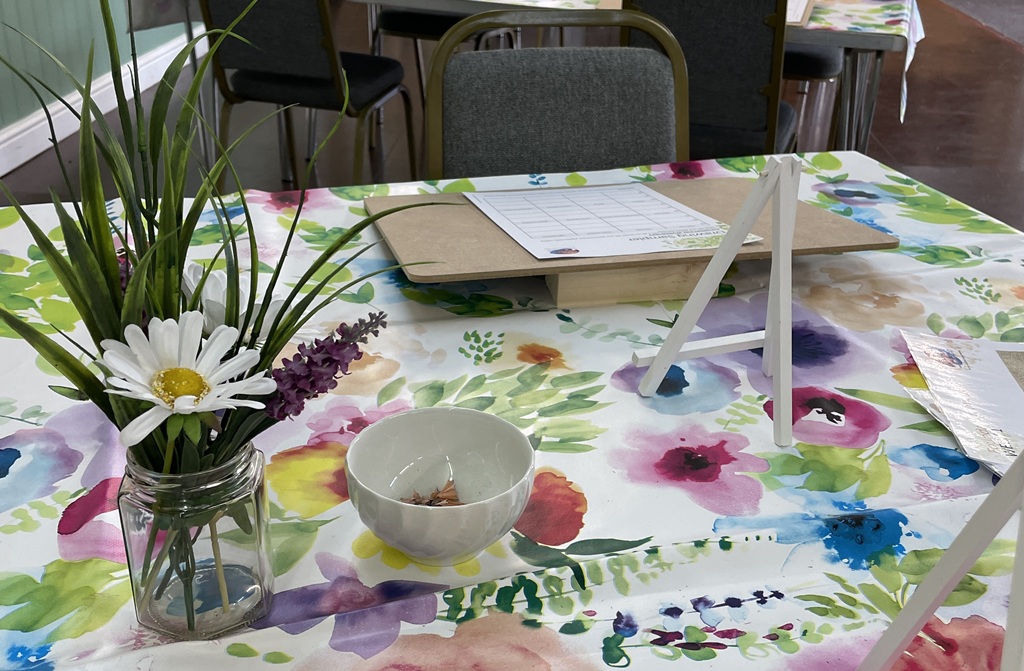
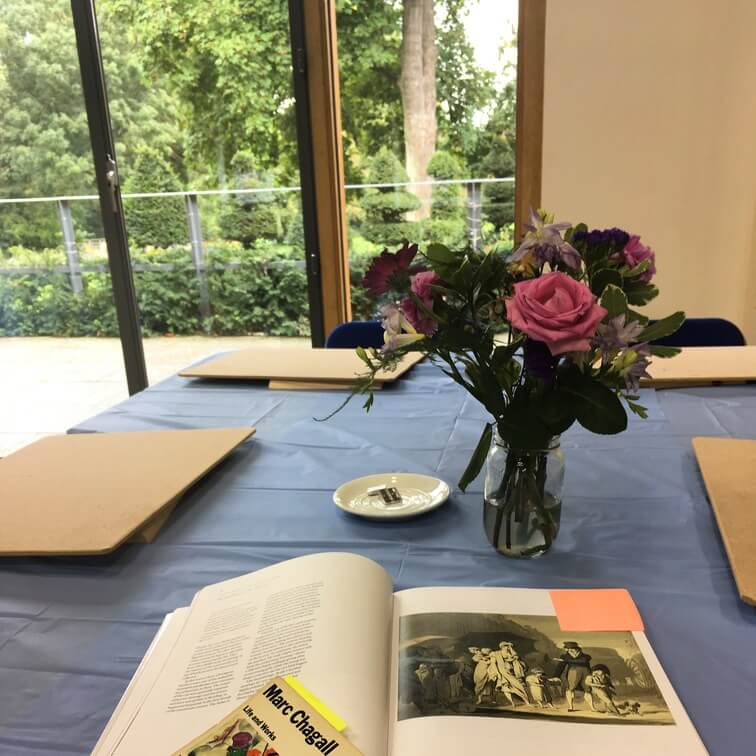
Some of the most rewarding studies come from the simplest things – flowers from a local shop, bowls of fruit, textured fabrics, biscuits, old teacups, or familiar kitchen objects.
These subjects often feel approachable because there’s no pressure attached to them. You can relax into the process, focus on observation, and enjoy gradually building shapes, textures, and tones as you work.
Simple arrangements also help create a calm atmosphere where your attention stays focused on learning rather than worrying about producing something perfect.
The Difference Thoughtful Details Make
The atmosphere of a class can have a huge impact on how comfortable and creative you feel.
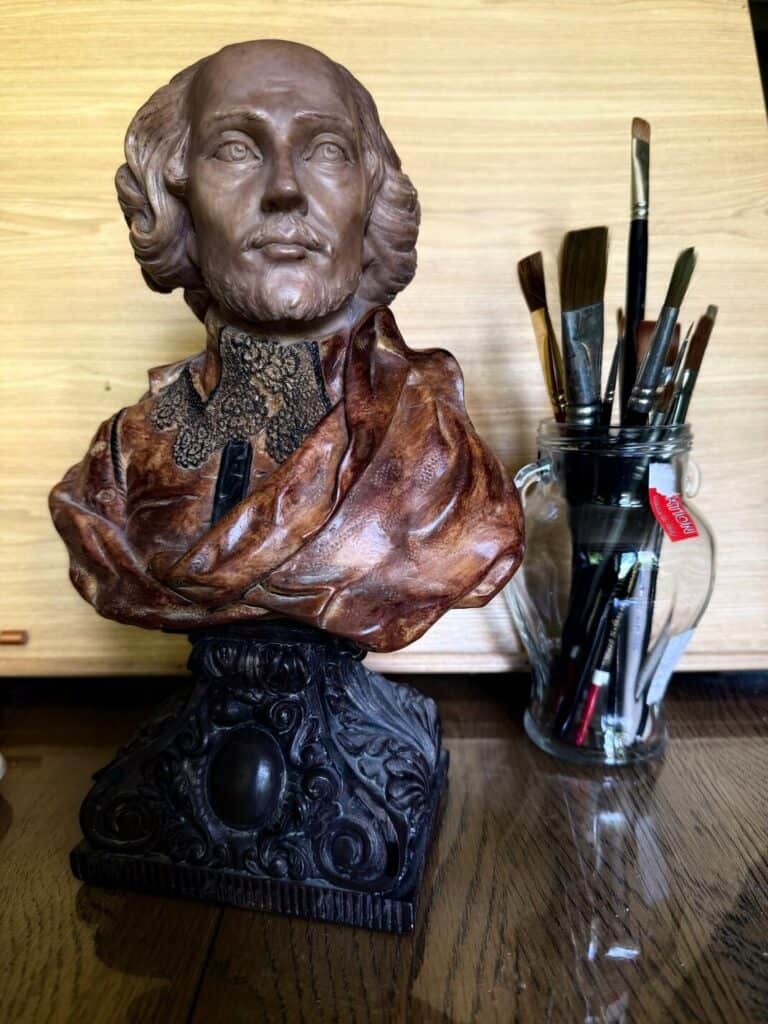
Carefully chosen props add warmth, visual interest, and character to the room, helping lessons feel welcoming and inspiring from the moment you arrive.
At The Seasons Art Class, these thoughtful details are all part of creating an environment where you can settle in properly, focus on your work, and enjoy learning at your own pace.
Nothing feels overly formal or intimidating. The aim is to create a relaxed space where creativity and confidence can grow naturally over time.
Learning to Truly Observe
In many ways, working from life teaches far more than how to draw a single object well.
It encourages patience, concentration, and the ability to slow down enough to properly notice the world around you. Those are skills that stay with you long after the lesson itself has finished.
Sometimes, the most ordinary objects can end up teaching you the most.
If you’d like to experience this approach for yourself, take a little time to explore our modules and book a class today. We can’t wait to hear from you soon.