

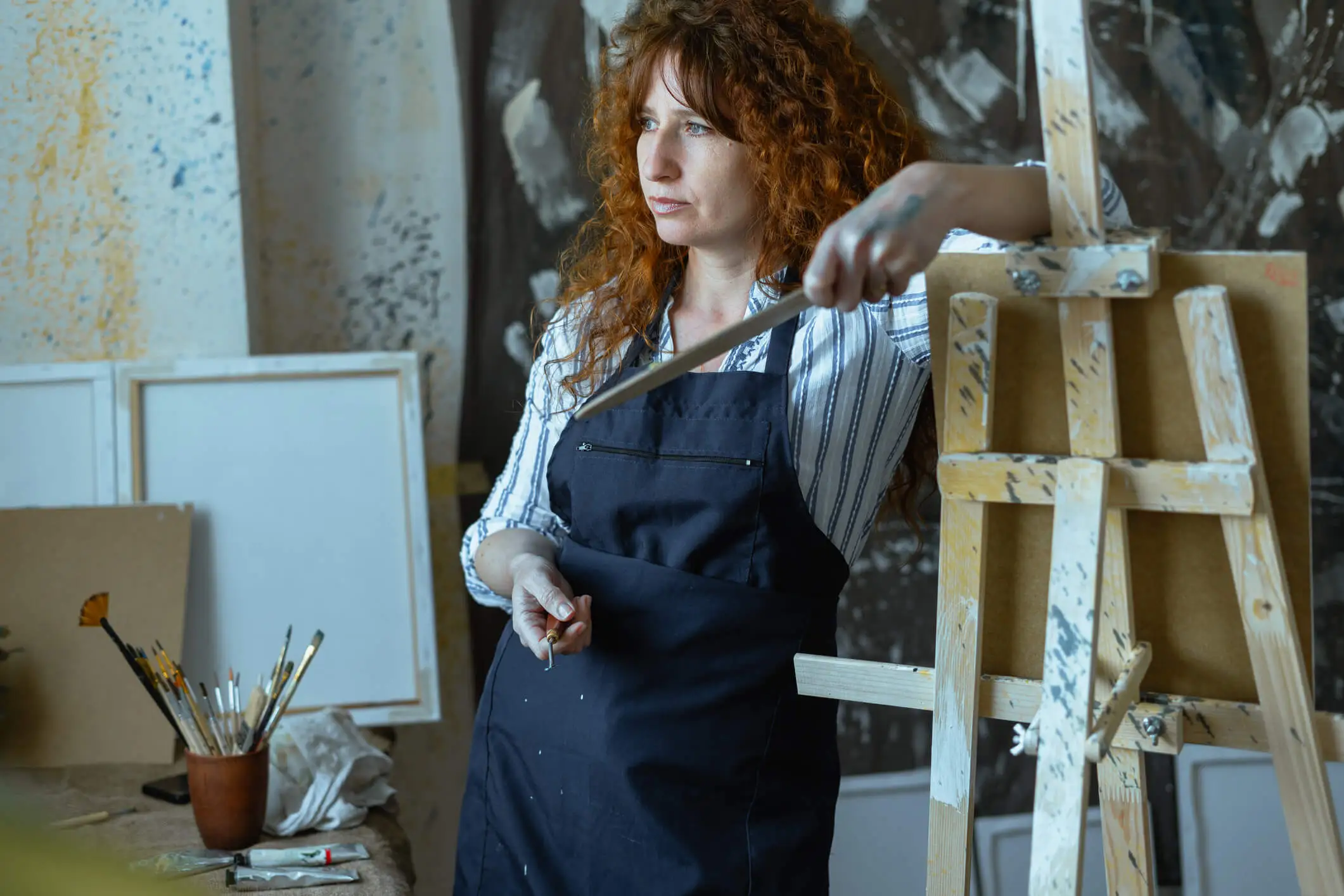
You sit down with your pencils or paints, open your sketchbook and wait for inspiration—but nothing happens.
Perhaps you cannot decide what to draw. Maybe every idea feels too difficult, or you are worried that the finished picture will not look how you imagined. Before long, the blank page begins to feel intimidating and your art materials are packed away again.
Creative blocks are completely normal. They affect beginners, experienced artists and professionals alike. Experiencing one does not mean that you have lost your creativity or that you are not naturally artistic. It usually means you need to remove some pressure, change your approach or find a simpler place to begin.
These practical beginner artist tips can help you overcome creative blocks, reduce art anxiety and rediscover the enjoyment of drawing and painting.
What Is a Creative Block?
A creative block is a period when starting or continuing creative work feels unusually difficult.
You might experience:
- A lack of ideas or inspiration
- Difficulty choosing a subject
- Fear of making mistakes
- Dissatisfaction with everything you create
- A tendency to compare yourself with other artists
- Feeling overwhelmed by too many possibilities
- Losing motivation halfway through a picture
Creative blocks in art can happen for many reasons. You may be tired, distracted or placing too much pressure on yourself. You might also be trying to produce something beyond your current experience or expecting every picture to be good enough to display.
The important thing to remember is that a creative block is temporary. Creativity is something you can encourage through practice, curiosity and experimentation.
8 Ways to Overcome a Creative Block
1. Start With Something Small
Do not begin by telling yourself that you need to complete a detailed drawing or finished painting.
Instead, choose a task that takes between five and fifteen minutes, such as:
- Drawing the outline of a leaf
- Sketching your coffee cup
- Mixing different shades of one colour
- Creating a page of circles and curved lines
- Practising light and dark pencil marks
- Painting a simple colour wash
A small exercise removes the expectation of creating a masterpiece. Once you have started, you may naturally feel motivated to continue.
The aim is not always to produce finished artwork. Sometimes it is simply to begin moving your pencil or brush again.
2. Give Yourself Permission to Make Mistakes
Perfectionism is one of the most common barriers faced by beginner artists.
You may worry about spoiling a new sketchbook, wasting materials or producing something that does not look good enough. However, mistakes are an essential part of learning to draw and paint.
Try using inexpensive paper and setting yourself a short practice exercise that nobody else needs to see.
Instead of asking whether the result is good, consider:
- What did I enjoy about this exercise?
- What did I learn?
- Which part worked well?
- What would I change next time?
An unsuccessful picture is not wasted effort. It gives you useful information that can help improve your next attempt.
3. Return to Basic Drawing Exercises
When you feel stuck, return to the simple skills that support more complicated artwork.
You could practise:
- Straight and curved lines
- Circles and basic shapes
- Light-to-dark tonal scales
- Cubes, cylinders and spheres
- Simple household objects
- The spaces around an object
- Drawing without repeatedly looking at the paper
These exercises may appear basic, but they help improve observation, pencil control and confidence.
The Seasons Art Class programme begins with pencil drawing before students progress through oil pastels, watercolour and acrylic painting. Each stage builds on techniques introduced in earlier lessons, allowing beginners to develop their abilities gradually.
Returning to the fundamentals is not moving backwards. It strengthens the skills that will support your future artwork.
4. Use a Creative Prompt
A creative prompt can provide valuable drawing inspiration when you do not know what to make.
Try one of these ideas:
- Draw an object that reminds you of childhood.
- Paint a landscape using only three colours.
- Sketch the contents of your bag.
- Draw the same object from three different angles.
- Paint a seasonal flower.
- Illustrate your favourite place.
- Create an abstract picture inspired by music.
- Draw an everyday object at an unusual scale.
Keep a list of prompts inside your sketchbook so that you always have a starting point.
Remember that a prompt is not a strict instruction. It is simply an idea to help you begin, and you can allow the picture to change as you work.
5. Try a Different Art Material
Sometimes the easiest way to escape a creative block is to change the materials you are using.
When detailed pencil drawing feels frustrating, experiment with the bold colours of oil pastels. When you are overthinking every line, try a loose watercolour wash. If painting feels too complicated, return to a simple monochrome sketch.
Changing materials can help because you are less likely to expect immediate mastery. Instead, you can approach the process with curiosity.
Possible combinations include:
- Pencil and watercolour
- Ink and coloured pencil
- Oil pastel and pencil
- Acrylic paint and collage
- Charcoal and white chalk
The Seasons Art Class introduces students to drawing, oil pastels, watercolour and acrylic painting, giving beginners the opportunity to explore several different mediums.
You may discover that a material you had never previously considered becomes your favourite.
6. Draw Something in Front of You
When imagination feels unavailable, draw something that is already in front of you.
Choose a simple object, such as:
- A mug
- A plant
- A piece of fruit
- A shoe
- A vase
- Your own hand
Spend a few minutes looking carefully before you begin. Notice the object’s overall shape, proportions, shadows and relationship with the space around it.
Do not worry about producing a perfect copy. The purpose of observational drawing is to practise seeing rather than relying on what you think the object should look like.
It also removes the pressure to invent an original subject.
7. Stop Judging Your Work Too Early
Artwork often goes through an awkward stage.
A watercolour may look uneven before all the layers have been added. A portrait can look strange before its features are refined. An acrylic painting may initially appear flat because the shadows and highlights are not yet complete.
Try not to decide that a picture has failed after the first few marks.
Step away from it, take a short break and return with fresh eyes. You may find that it only needs one or two adjustments.
Equally, know when to stop. Continually changing a picture because it does not feel perfect can create further frustration. Make a note of what you would do differently next time and move on to another project.
8. Make Art Part of Your Routine
Waiting until you feel inspired can make creativity difficult to maintain. A simple routine gives art a regular place in your week.
You might decide to:
- Sketch for ten minutes after breakfast.
- Paint for half an hour every Sunday.
- Complete one small study each week.
- Keep a pencil and sketchbook beside your favourite chair.
- Attend a regular art class.
Choose a schedule that fits realistically around your life. A short session you can maintain is more valuable than an ambitious plan that quickly becomes another source of pressure.
Regular practice also means each individual picture feels less important. You do not need to create something brilliant today because you know you will return to art again.
Overcoming Art Anxiety
Creative blocks and art anxiety are often closely connected. The more worried you become about the result, the harder it can feel to begin.
Overcoming art anxiety does not mean eliminating every nervous feeling before you start. Instead, focus on making the experience feel more manageable.
Focus on the Process
Try to notice the physical experience of creating:
- The movement of the pencil
- The texture of the paper
- The way two colours mix
- The difference between a wet and dry brush
- The gradual development of light and shadow
When your attention is on the process, there is less room to worry about the final result.
Avoid Labelling Yourself
You do not need to decide whether you are naturally “good at art”.
A more helpful statement is: “I am learning to draw and paint.”
Artistic ability is not fixed. It develops through observation, practice, experimentation and suitable guidance.
Keep Some Artwork Private
Not every sketch needs to be shown to friends, family or social media followers.
Keeping some work for yourself can give you greater freedom to experiment without worrying about other people’s reactions.
Share your art when it feels encouraging—not because you believe every picture requires approval.
Remember That Feedback Is Not Failure
Constructive feedback is not evidence that your picture is bad. It simply identifies the next adjustment that could help you progress.
A supportive tutor may suggest changing a proportion, strengthening a shadow or experimenting with a different technique. These are practical learning steps rather than judgements about your creativity.
How an Art Class Can Restore Motivation
Learning independently can be rewarding, but it also means choosing what to practise, finding suitable projects and assessing your own progress.
A structured course removes many of these barriers.
Working in a class provides:
- A regular time for creativity
- Clear and manageable projects
- Step-by-step tuition
- Access to different artistic materials
- Encouragement when a technique feels difficult
- Inspiration from other students
- A supportive environment in which to build confidence
This can be particularly helpful when you need art class motivation. Instead of facing an empty sketchbook alone, you have a subject, a tutor and a group of people learning alongside you.
The Seasons Art Class programme runs over 14 weeks and covers drawing, oil pastels, watercolour and acrylic painting. Lessons are progressive, allowing students to build their skills gradually rather than being expected to understand everything immediately.
The aim is not to compete with the people around you. Everyone learns at a different pace and will bring their own ideas and perspective to the same project.
Frequently Asked Questions
Is creative block normal for beginner artists?
Yes. Creative blocks are a normal part of learning and can affect artists at every level. They often happen when you are tired, unsure what to create or placing too much pressure on the result.
What should I draw when I have no inspiration?
Start with an everyday object such as a mug, plant, shoe or piece of fruit. You could also use a simple creative prompt or practise basic lines, shapes and shading.
How do I stop worrying about making mistakes?
Use inexpensive materials, choose short exercises and treat each drawing as an experiment. Focus on what the activity teaches you rather than whether the finished result is good enough to display.
How can I become more motivated to draw?
Create a regular but realistic routine, keep your materials easy to access and choose small projects with clear starting points. Joining a weekly class can also provide helpful structure and encouragement.
Can an art class help with creative block?
Yes. A class gives you a defined project, dedicated creative time and step-by-step guidance. It can remove the pressure of deciding what to create and help you learn alongside other beginners.
Rediscover Your Creativity With The Seasons Art Class
A creative block does not mean that you have run out of ideas or reached the limit of your ability. It may simply mean that you need a smaller starting point, a new technique or some encouragement.
Begin with one line, one shape or one ten-minute exercise. Allow yourself to experiment without demanding a perfect result. Confidence develops through creating – not through waiting until you feel completely ready.
The Seasons Art Class offers friendly, step-by-step art courses for complete beginners and improving artists across the UK. Students explore drawing, oil pastels, watercolour and acrylic painting while developing their skills in a relaxed and supportive environment.
Find your nearest class and take the next step towards greater creativity, confidence and enjoyment.